Category: Trivia

  • What’s The Rarest Natural Element On Earth?

    What’s The Rarest Natural Element On Earth?

    Did You Know!

    Montana Has a Mountain Where Rainwater Can Flow Toward Three Different Oceans!

    Deep inside Glacier National Park lies a remarkable mountain called Triple Divide Peak.

    What makes this mountain so unusual is that rain or melting snow falling on different sides of its summit can eventually flow toward three different oceans: the Pacific, Atlantic, and Arctic.

    Water flowing west travels toward the Pacific Ocean, water flowing southeast eventually reaches the Gulf of Mexico, and water flowing north heads toward Canada’s Hudson Bay.

    This extraordinary geographical feature makes Montana home to one of North America’s most unusual natural watersheds.

    The surprising part? Just a few feet can determine which ocean receives a drop of rain!

  • Which Vegetable Is Also Known As A Courgette?

    Which Vegetable Is Also Known As A Courgette?

    Did You Know!

    New Mexico is the only U.S. state with an official state question: “Red or green?”

    This unusual question refers to the choice between red and green chile sauce, two beloved staples of New Mexican cuisine.

    Fun Fact: If you can’t decide, you can answer “Christmas!” That means you want both red and green chile on your food.

    New Mexico officially adopted “Red or green?” as its state question in 1999.

    Even more surprising, “Red and green or Christmas” became New Mexico’s official state answer in 2007!

  • What’s The Highest-Grossing Horror Film of All Time?

    What’s The Highest-Grossing Horror Film of All Time?

    Did You Know!

    Did You Know Tennessee Has a Giant Underground Lake That Has Never Been Fully Explored?

    Hidden beneath the town of Sweetwater, Tennessee, is The Lost Sea, the largest known underground lake in the United States!

    Located inside Craighead Caverns, this remarkable lake sits deep beneath the Earth’s surface. Its visible portion measures approximately 800 feet long and 220 feet wide, but underwater passages extend beyond the known lake.

    Here’s the amazing part: Despite years of exploration by cave divers, the lake’s full extent has never been completely mapped!

    The Lost Sea was discovered in 1905 by a 13-year-old boy named Ben Sands, who crawled through a narrow opening and stumbled upon an enormous underground body of water.

    Today, visitors can actually take a guided boat ride across this mysterious underground lake.

    Fun fact: The caves also contain evidence of a prehistoric giant jaguar that lived roughly 20,000 years ago!

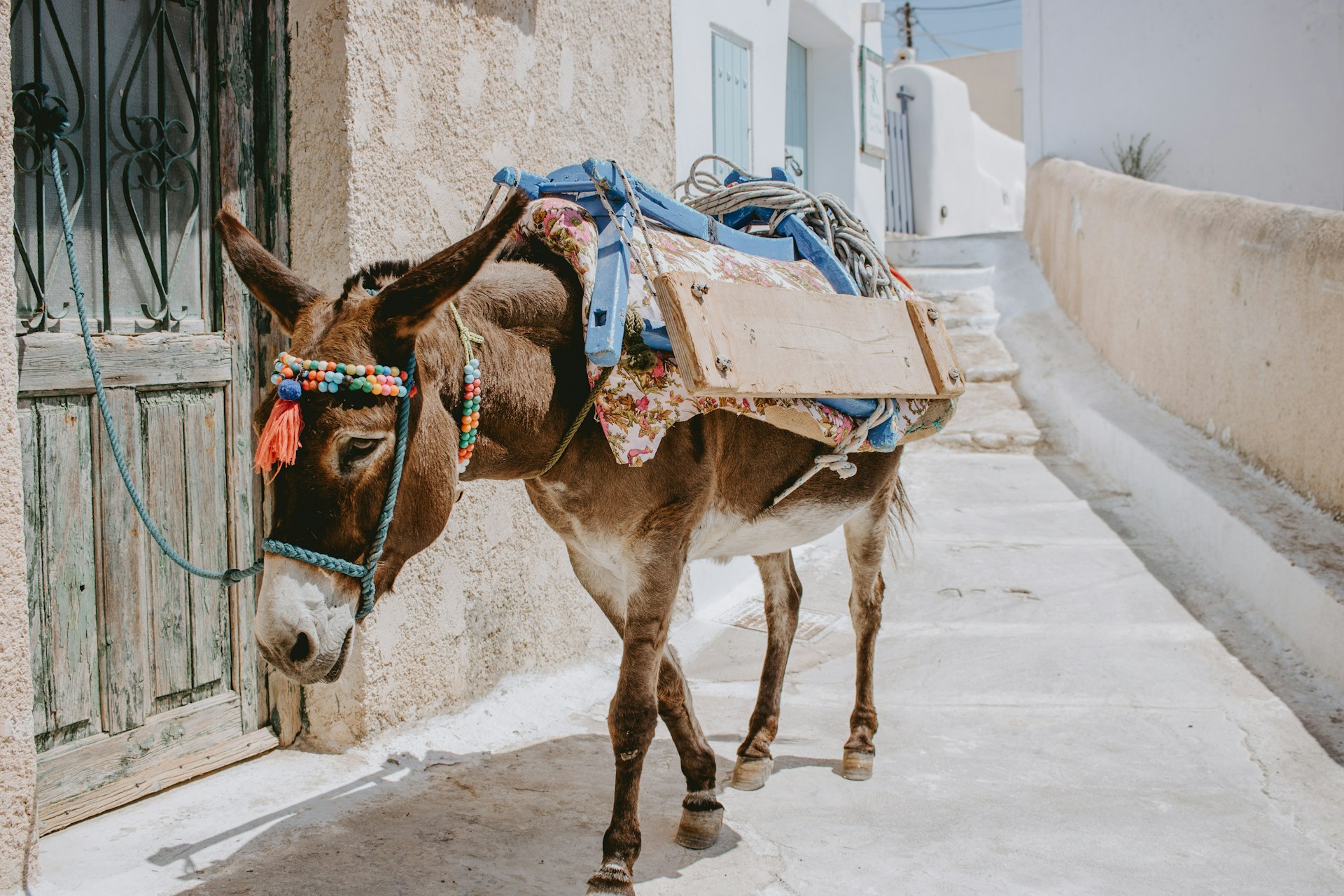
  • Which Mexican Dish Is Named After A Small Donkey?

    Which Mexican Dish Is Named After A Small Donkey?

    Did You Know!

    Did you know Alabama has a city that was once the capital of an entirely different country?

    Montgomery, Alabama, served as the first capital of the Confederate States of America in 1861. Confederate President Jefferson Davis was inaugurated on the steps of the Alabama State Capitol on February 18, 1861, before the Confederate government relocated its capital to Richmond, Virginia, later that year.

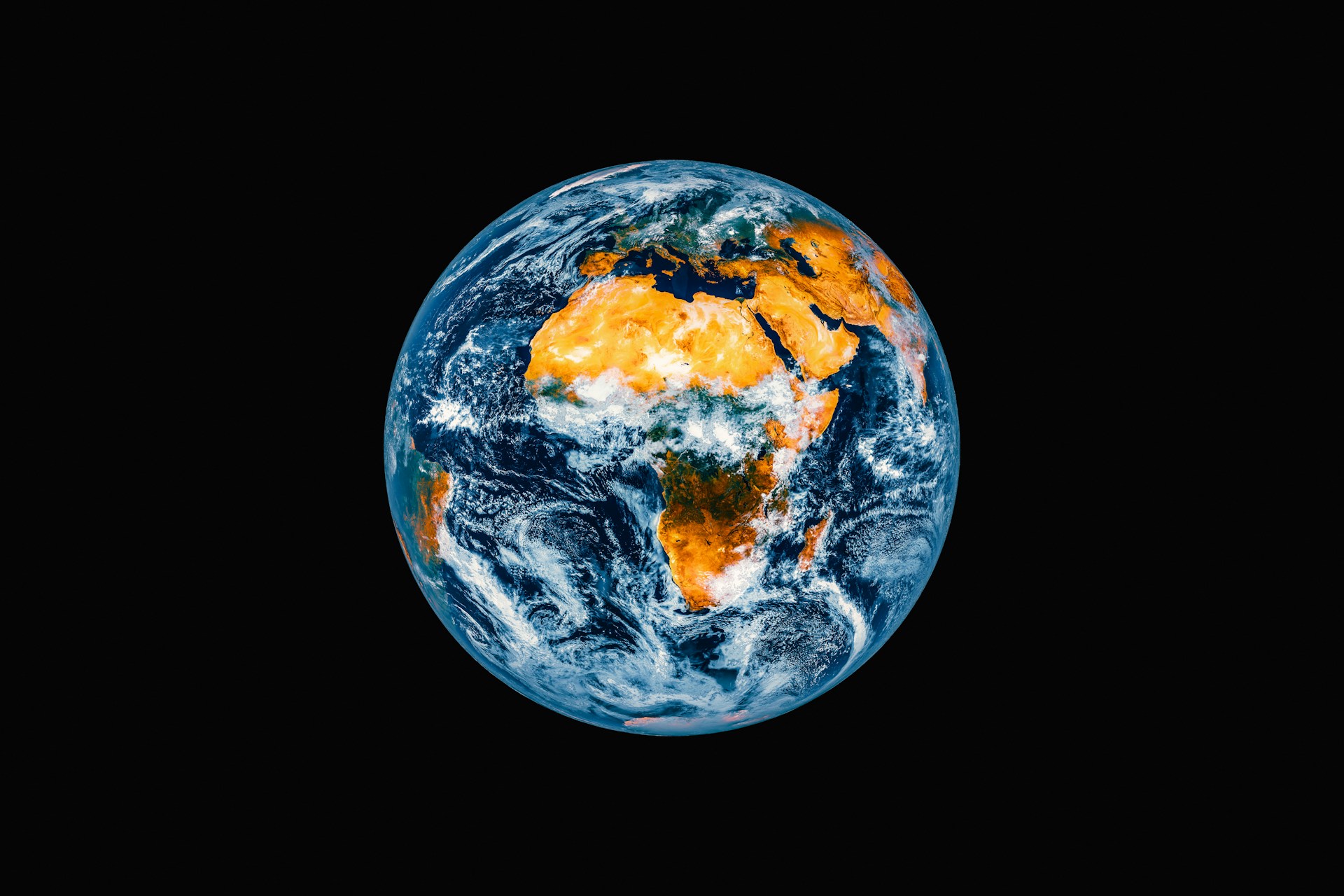
  • What Planet Is Known As The “Evening Star”?

    What Planet Is Known As The “Evening Star”?

    Did You Know!

    Kansas Is Home to One of the World’s Largest Hand-Dug Wells!

    In Greensburg, Kansas, you’ll find the Big Well, a massive water well dug by hand in 1887 to supply water for the town’s steam engines.

    The well is approximately 109 feet deep and 32 feet wide—large enough that visitors can descend a staircase inside it!

    What makes this especially remarkable is that workers excavated the enormous structure using hand tools rather than modern digging equipment.

    Even more impressive, the well survived the devastating 2007 tornado that destroyed much of Greensburg. Today, it remains a popular tourist attraction.

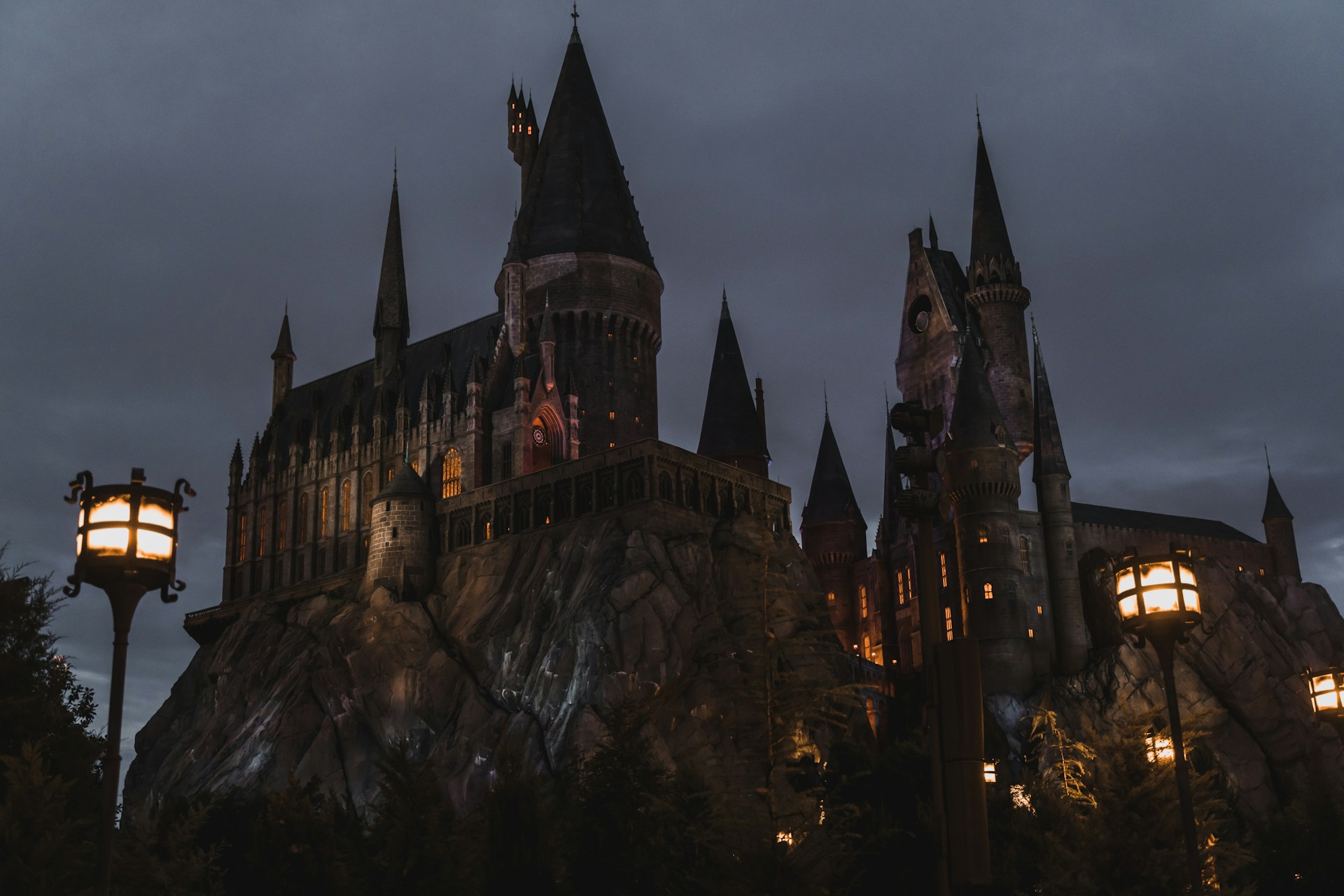
  • What’s The Name of The Three-Headed Dog In Harry Potter?

    What’s The Name of The Three-Headed Dog In Harry Potter?

    Did You Know!

    Did You Know Kentucky Is Home to the World’s Longest Cave System?

    Deep beneath Kentucky lies an enormous underground network of tunnels and chambers that stretches for more than 426 miles, making it the longest known cave system on Earth.

    Located in south-central Kentucky, Mammoth Cave National Park contains an extraordinary underground world that explorers have been investigating for generations.

    Here’s the surprising part: Despite centuries of exploration, scientists still don’t know exactly how far the cave system extends. New passages continue to be discovered and mapped, meaning the world’s longest cave could be significantly larger than anyone currently realizes.

    And even more fascinating, prehistoric Native Americans were exploring portions of these caves approximately 5,000 years ago, long before modern surveying equipment existed.

    Kentucky is literally hiding an ancient underground world beneath its surface!

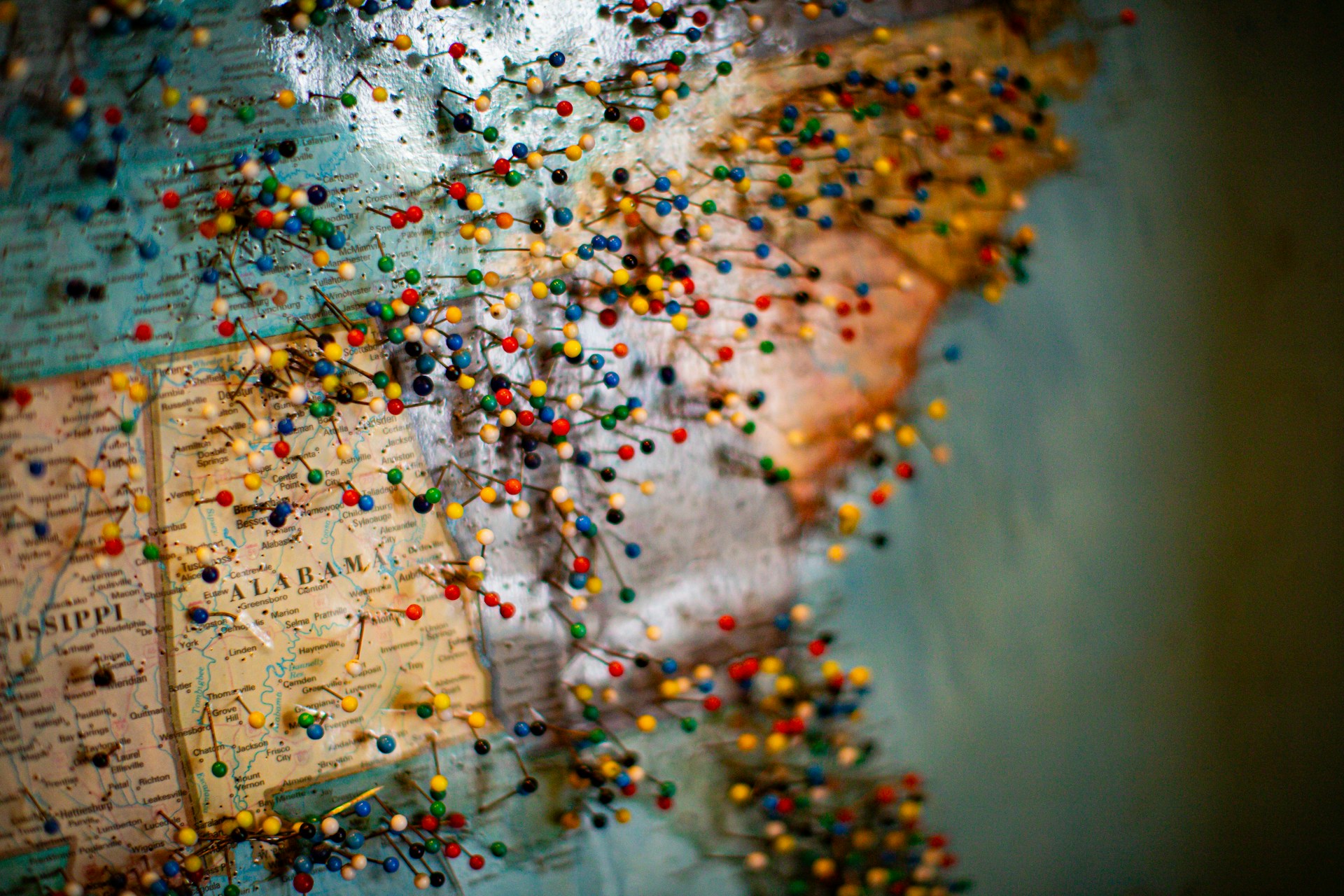
  • How Many US States Have No Statewide Sales Tax?

    How Many US States Have No Statewide Sales Tax?

    Did You Know!

    Nebraska is home to the world’s largest indoor rainforest at the Henry Doorly Zoo and Aquarium.

    Known as the Lied Jungle, this massive indoor rainforest covers approximately 1.5 acres and features waterfalls, tropical plants, and exotic wildlife from rainforests around the world.

    Visitors can explore different levels of the jungle, including pathways that take them beneath the rainforest canopy.

    What makes this especially surprising is that one of the world’s most impressive indoor tropical environments is located in Nebraska, a state better known for its cornfields, prairies, and cold winters.

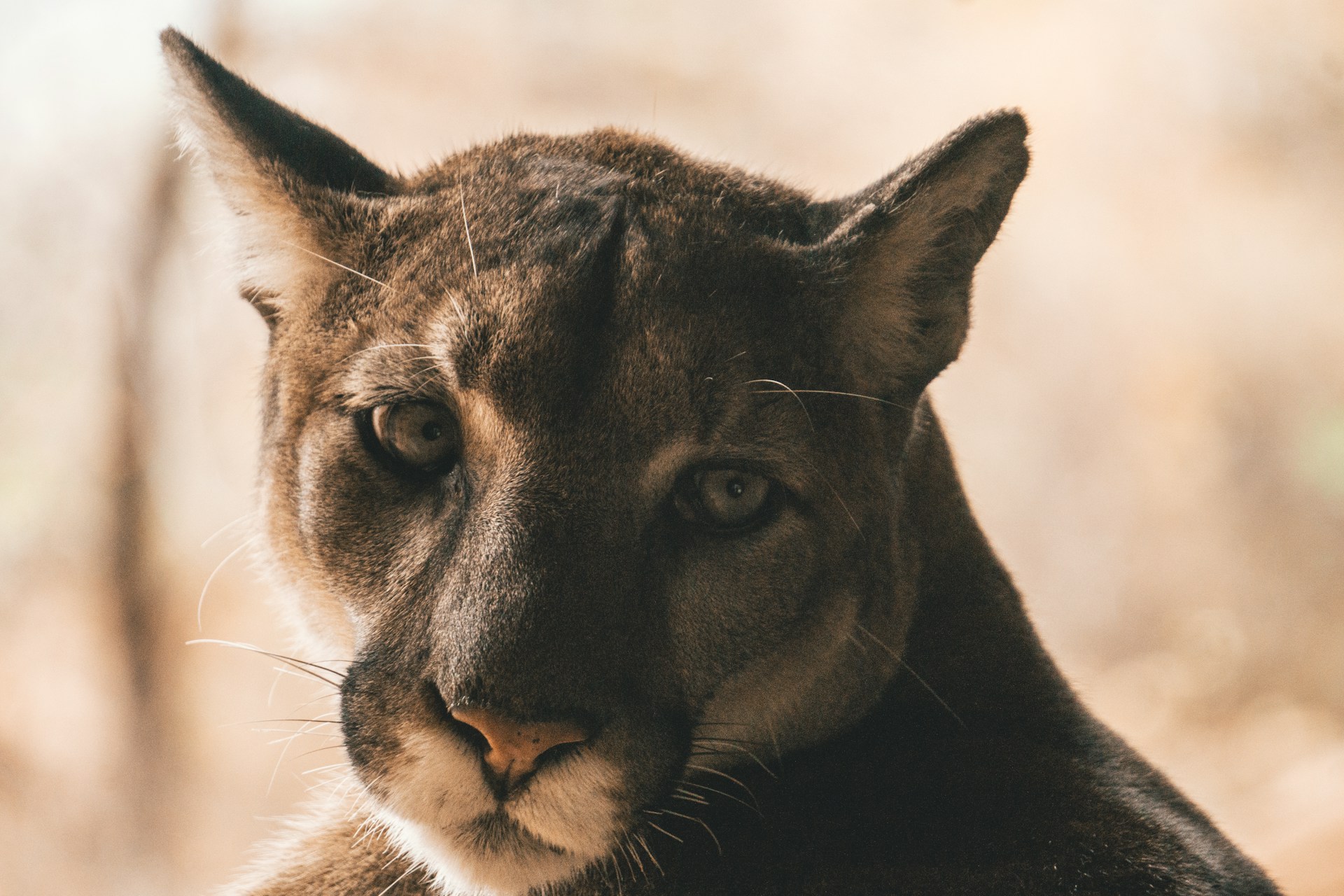
  • What’s The Fastest North American Land Mammal?

    What’s The Fastest North American Land Mammal?

    Did You Know!

    New York State is home to one of the world’s oldest mountain ranges—the Adirondack Mountains—but unlike most ancient mountain ranges, they’re still rising!

    The Adirondacks began forming hundreds of millions of years ago, yet the mountains continue to experience geological uplift today. Scientists are still studying exactly what causes this unusual process.

    Historical measurements suggest parts of the Adirondacks have risen approximately 2 to 3 millimeters per year, making them a fascinating geological mystery.

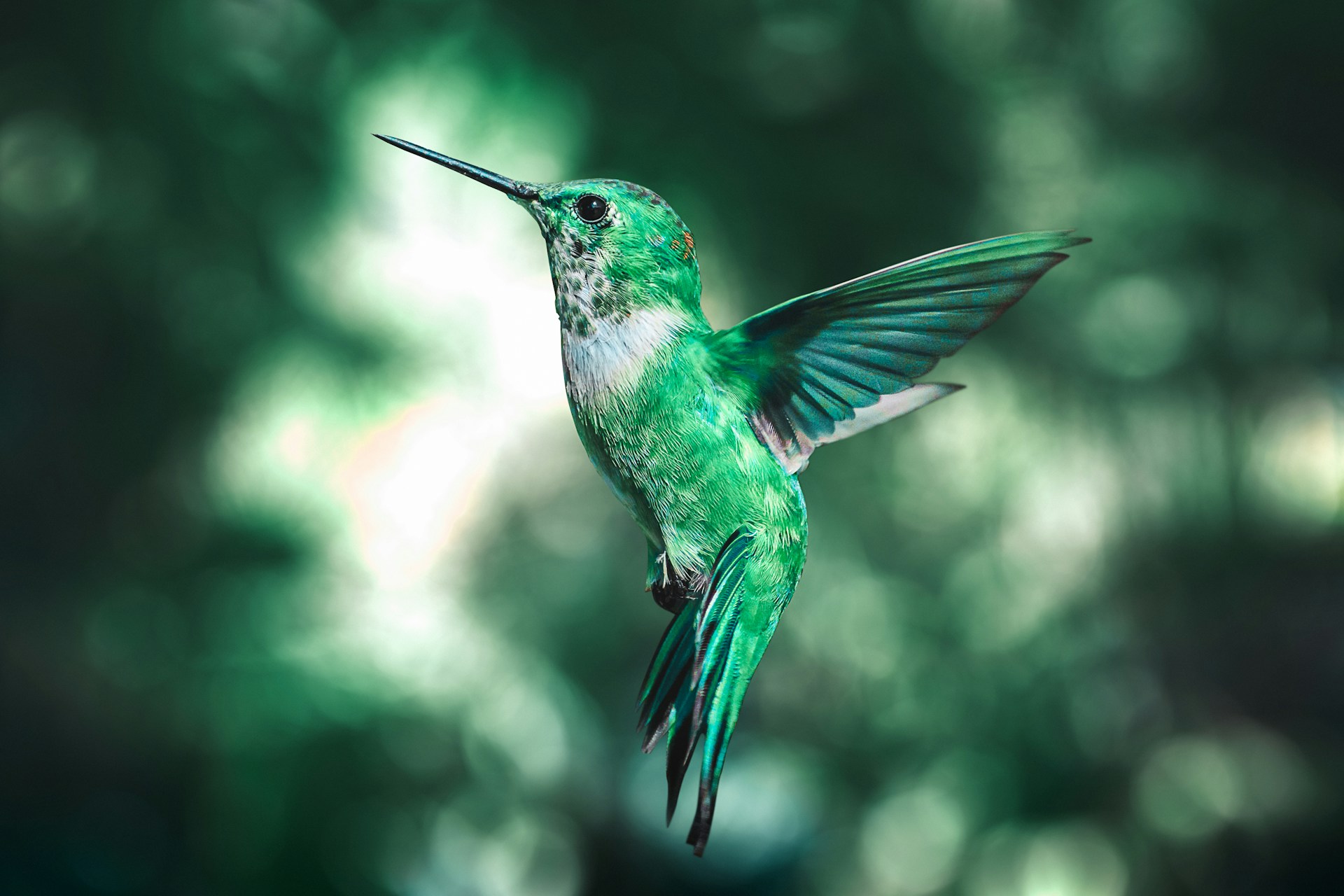
  • What Is The Only Type Of Bird That Can Fly Backwards?

    What Is The Only Type Of Bird That Can Fly Backwards?

    Did You Know!

    Tennessee Has a Lake Created by Earthquakes

    Did you know that Tennessee is home to a lake formed by some of the most powerful earthquakes ever recorded in the central United States?

    Reelfoot Lake, located in northwestern Tennessee, was formed during the massive New Madrid earthquakes of 1811–1812.

    These earthquakes dramatically altered the landscape, causing sections of land to sink and creating conditions that allowed water to flood the area.

    What’s even more fascinating is that the earthquakes were so powerful they temporarily caused portions of the Mississippi River to flow backward.

    Today, Reelfoot Lake is famous for its unusual flooded forests, fishing, and bald eagle populations.

    The surprising part: Tennessee’s Reelfoot Lake is considered the state’s only large naturally occurring lake, and its creation is a remarkable reminder of how dramatically earthquakes can transform the landscape.

  • What’s The Longest-Running Newspaper In The United States?

    What’s The Longest-Running Newspaper In The United States?

    Did You Know!

    Wyoming Has a Rare Natural Wonder That Can Make Trees Look Like Stone

    One little-known fact about Wyoming is that it contains ancient petrified forests where trees were transformed into stone millions of years ago.

    In Yellowstone National Park, volcanic eruptions buried forests beneath layers of ash and other volcanic materials. Over time, minerals replaced the original wood, preserving tree trunks as fossils.

    Some of these petrified trees remain standing upright, providing scientists with remarkable evidence of ancient forests and the volcanic events that buried them.